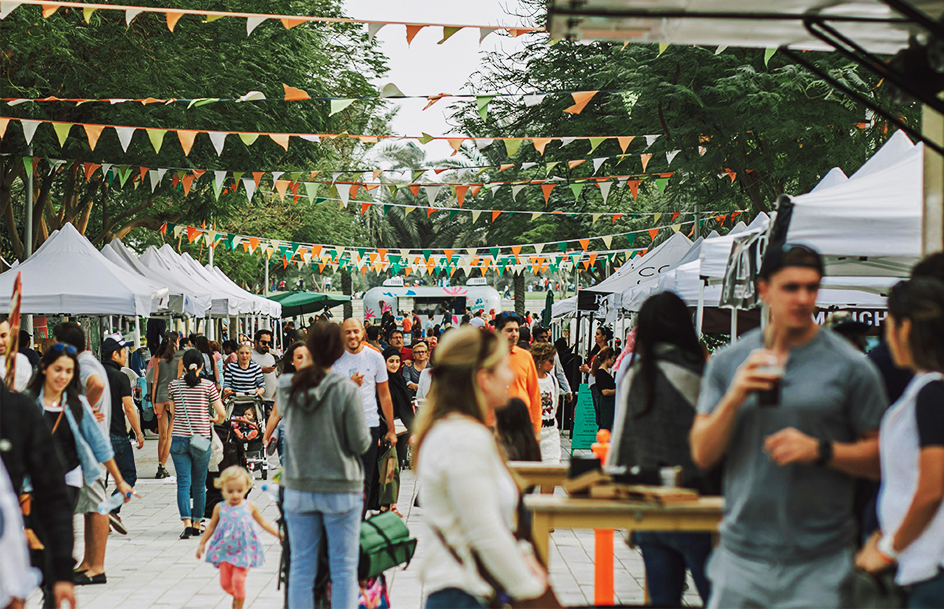
Nothing is more exciting than a block party. Delicious BBQ, good music, playful banter with the neighbors, and the kids absolutely love it! But then there’s the actual block party planning process. Let’s just say… things can become a little overwhelming.
Not only do you have to juggle all of the party invites and RSVPs, but you also have to come up with kid-friendly activities that the whole family can enjoy. What was supposed to be an enjoyable process has now turned into a logistical nightmare.
Let’s be honest, going from “great idea” to “block party hero” involves more time and effort than most people realize.
Whether you’re organizing your first block party or you’re the seasoned pro everyone turns to, these 5 must-do block party planning tips will help you create an event that people will still be talking about months later.
And the best part? We’ll show you how modern tools can eliminate most of the administrative headaches that typically come with community event planning.
5 Must-Do Block Party Planning Tips
No matter the size or scale of your event, the right block party planning strategies will help you soar through the process with ease.

Nail the Permits and Permissions Early
Here’s the truth nobody wants to hear: the most amazing block party in the world won’t happen if you don’t have the proper permits. If your block party is taking place in your neighborhood, make sure to work with the HOA to get the right approval.
On the flip side, if you are a non-profit organization, such as a local church throwing a Fall Block Party, or a local business, it would be a wise idea to look into permitting. Start this process at least 4-6 weeks before your event date – seriously, put it on your calendar right now!
Contact your city’s special events office or transportation department to understand their specific requirements. Some cities make it incredibly easy. For example, Seattle’s Transportation Department issues free block party permits, while other municipalities may charge a fee.
Don’t forget to notify your immediate neighbors (including neighboring businesses) personally, even if they’re not planning to attend. A simple door-to-door conversation or friendly note explaining the event details goes a long way toward preventing complaints and building goodwill. Include the date, time, expected noise levels, and your contact information.

Budget Smart and Collect Funds Seamlessly
Block parties can range from simple potluck-style gatherings that cost almost nothing to elaborate affairs with hired entertainment and catered food. This is where budgeting comes into play.
The key is to create a realistic budget early and then make it easy for participants to contribute their share.
Gone are the days of knocking on doors with a cash box or trying to track checks in a spreadsheet. Advanced digital payment solutions like Cheddar Up have revolutionized how community organizers handle event funding. Modern platforms allow participants to contribute online without downloading apps or creating accounts. They simply click a link (or even easier – scan a QR code), enter their payment information, and they’re done.
Consider different contribution models: equal splits work well for small neighborhood groups, while larger organizations might prefer tiered options (families vs. individuals, or different levels based on what people can afford). The important thing is making the process transparent and accessible to everyone in your community.

Master RSVPs and Sign-Ups (No More Spreadsheet Chaos)
Trying to manage RSVPs through text messages, emails, and word-of-mouth is a recipe for confusion. You need to know how many people are coming, what they’re bringing, and how to reach them if plans change.
Create a simple sign-up system that collects essential information: names, contact details, number of attendees, and what they’re contributing (food, supplies, or volunteer time), or better yet, use a platform like Cheddar Up to collect information from your group in a quick, hassle-free way. This information becomes important for everything from estimating food quantities to coordinating setup help.
The beauty of integrated form and payment solutions like Cheddar Up is that you can collect RSVPs and contributions simultaneously. Someone can sign up to bring dessert and pay their share of the DJ fee in the same transaction. No more chasing people down for separate tasks and payments, everything’s handled in one easy step. Want a head start? Use our Block Party template to quickly customize your page with common items and sign-up needs.

Plan Activities That Bring Everyone Together
The best block parties have activities and games for every age group and interest level. Think beyond just food and music, though those are important too! Consider classic games like cornhole or giant Jenga, a kids’ craft or face painting station, or even a neighborhood talent show.
For food, coordinate with local vendors when possible. Food trucks add excitement and reduce the cooking burden on neighbors, while local businesses often appreciate the community exposure. Small sponsors from neighborhood businesses can help offset costs while strengthening local connections.
Don’t forget the logistics: you’ll need tables, chairs, trash bins, and possibly a sound system. Create a volunteer coordination system where different neighbors take ownership of specific areas. For example, one person handles decorations, another coordinates the kids’ activities, while someone else manages setup and cleanup. Much like planning a family reunion, success comes from clear delegation and good communication.

Day-Of Coordination and Follow-Up Like a Pro
Event day success comes down to preparation and clear communication. When planning for a block party, make sure to create a simple timeline that includes:
- Setup start time
- Event hours
- Cleanup expectations
Share this with your key volunteers ahead of time. Have a designated point person (probably you!) that neighbors can find easily if questions or issues arise. Wear something distinctive or create a simple “Event Coordinator” badge. Keep a basic first aid kit handy and know the location of the nearest urgent care facility, just in case.
A tool like Cheddar Up makes it easy to follow up after the party in a way that feels both simple and meaningful. You can easily message everyone who participated, share a few fun photos, recognize the volunteers who made it all happen, and even start tossing around ideas for next year. It’s a great way to keep the energy going and strengthen those community connections.
Join a Live Learning Session
Join a free demo today and learn more about the many uses of Cheddar Up for your business.

Why Block Party Organizers Love Cheddar Up
Cheddar Up transforms the most stressful parts of block party organization into simple, streamlined processes that actually work.
The platform’s flexible design means you can set up different collection pages for different aspects of your event. One collection for general admission or neighbor contributions, another for local sponsorships, and maybe a third for volunteer sign-ups. Everything stays organized, and the built-in reporting gives you a clear snapshot of how things went, making it easier to plan and budget for next year’s event.

Organize the Best Block Party with Cheddar Up
Ready to discover how Cheddar Up can help you throw the ultimate block party? Watch the 6-Minute Demo today!

Before you go
Here’s the bottom line: block parties don’t have to be stressful, time-consuming, or awkward. The right platform transforms the entire process from a chore into something actually enjoyable.
You may also like:

7 Different Types of Fundraisers (With 50+ Proven Examples)
If you’re tired of defaulting to the same bake sale year after year, then it might be time to explore the many types of fundraisers that will help you reach your fundraising goals.
One fundraiser format can’t do everything. Some raise fast cash, others build long-term donor relationships, and a few quietly generate revenue with almost no volunteer hours.
When you understand the different types of fundraisers available to your organization, it opens up dozens of possibilities you’ve probably never considered!
This guide breaks down seven main fundraiser types and pairs each one with proven examples you can adapt to your group’s size, budget, and goals. Ready to get started?Truth bomb: relying on one single type of fundraiser can limit your reach and exhaust your donor base over time.
Whether you’re a group leader in charge of raising funds for your community or a nonprofit organizer building a fundraising plan, it’s no secret that a mix of fundraising strategies can help you build a more resilient and sustainable financial foundation for your organization’s long-term goals.

The Best Fundraising Event Planning Guide + Template
Fundraising event planning can feel chaotic! Too many group texts, not enough lead time, and a race to find last-minute volunteers leaves many organizers with a headache. Sound familiar?
Luckily, there are tactics you can use to avoid common planning mistakes. For example, a fundraising event planning template gives your whole team the same starting point and keeps you organized from the get-go.
Whether you’re a first-timer organizing a school fundraiser or a seasoned nonprofit volunteer tackling your fifth annual gala, this guide walks you through planning a fundraising event from locking in your date to wrapping up after the event.
You’ll get a practical checklist and timeline for fundraising event planning, as well as specific guidance on the best fundraising event management platforms that keep everything on track. Let’s get started!

Fall Activities for Preschoolers: 20+ Classroom and Outdoor Ideas for Ages 3–5
Fall is one of the easiest seasons to make exciting for preschoolers. The colors, the textures, the smells. But if you are a teacher building out a fall lesson plan or a parent trying to fill a few October afternoons, the challenge is finding fall activities for preschoolers that are achievable for ages 3 to 5.
Preschoolers do not need elaborate activities. They need interesting materials, a little space, and permission to explore. Everything on this list is designed with that in mind.
Classroom autumn and fall activities work best when they tie into something kids are already learning. Counting, sorting, color recognition, and fine motor skills all have natural fall connections. Here are seven ideas that pull double duty as both fun and educational.

Preschool Fall Festival Ideas: Games, Activities, and Booth Ideas for Little Learners
Fall festivals are one of the best events on the preschool calendar. Kids arrive in their coziest outfits, teachers get to see big personalities light up, and the whole school community comes together in the best way. But planning a festival for 3- to 5-year-olds takes a different approach than planning one for older kids. The games need to be simpler. The booths need to be sensory-friendly. And the whole thing should feel like pure fun, not competition.
This guide covers age-appropriate games, booth ideas, fundraising tips, and practical planning advice for teachers and parent volunteers running a preschool fall festival this season.
Preschoolers are in a sweet spot for fall festivals. They love sensory experiences, simple repetitive activities, and the excitement of something that feels special. A well-designed festival gives them exactly that, without the pressure of rules they can’t follow or wait times that are too long.
The key is keeping expectations age-appropriate. Most kids ages 3 to 5 are not ready for elimination games, complex instructions, or long lines. But give them a pile of leaves to jump into or a pumpkin to decorate, and you will have their full attention.