
Fall festivals are one of the best events on the preschool calendar. Kids arrive in their coziest outfits, teachers get to see big personalities light up, and the whole school community comes together in the best way. But planning a festival for 3- to 5-year-olds takes a different approach than planning one for older kids. The games need to be simpler. The booths need to be sensory-friendly. And the whole thing should feel like pure fun, not competition.
This guide covers age-appropriate games, booth ideas, fundraising tips, and practical planning advice for teachers and parent volunteers running a preschool fall festival this season.

Why fall festivals work especially well for preschoolers
Preschoolers are in a sweet spot for fall festivals. They love sensory experiences, simple repetitive activities, and the excitement of something that feels special. A well-designed festival gives them exactly that, without the pressure of rules they can’t follow or wait times that are too long.
The key is keeping expectations age-appropriate. Most kids ages 3 to 5 are not ready for elimination games, complex instructions, or long lines. But give them a pile of leaves to jump into or a pumpkin to decorate, and you will have their full attention.
Fall festivals also give teachers and parent volunteers a chance to create experiences that feel big without needing a big budget. Many of the best preschool festival activities cost very little to set up and require minimal materials.
Fall festival games for preschoolers
The best fall festival games for preschoolers share a few things: simple rules, no losers, and plenty of sensory appeal. If you are looking for inspiration beyond this list, our fall festival games guide covers ideas for mixed-age events too.
Here are seven games that work especially well for ages 3 to 5:
Pumpkin ring toss.
Set up small pumpkins or gourds and give kids a few rings to toss from a close distance. Keep it low-stakes: everyone gets a turn, everyone gets a sticker. The goal is the throwing, not the landing.
Leaf pile jump.
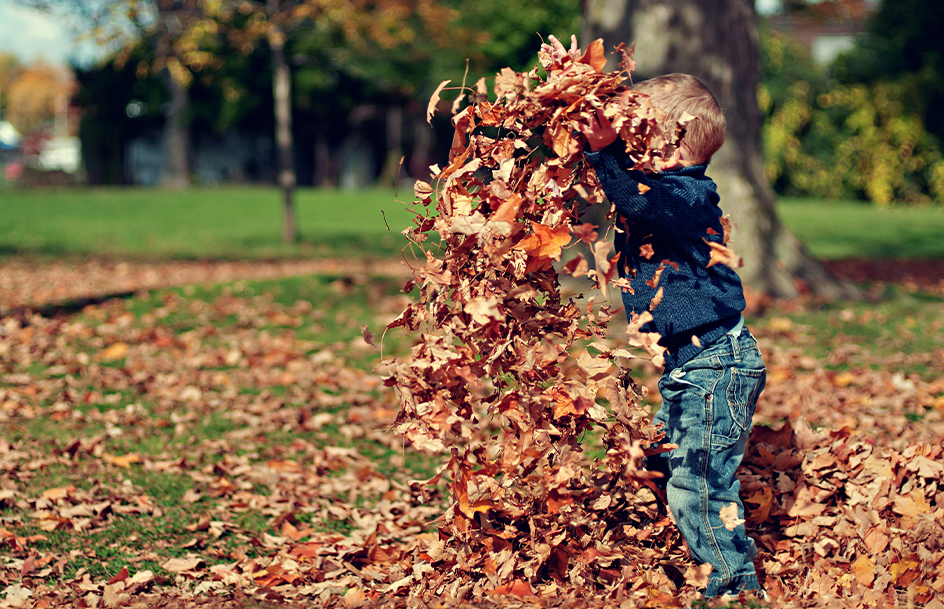
Rake or gather a big pile of leaves (real or artificial) and let kids run and leap in. Simple, free, and endlessly entertaining. Add a felt “X marks the spot” mat for kids who want a target.
Acorn or pinecone hunt.
Scatter plastic acorns or pinecones around a small area and give each child a little bag or basket to collect them. This works well as a timed station with a 2-minute play window to keep lines moving.
Pin the stem on the pumpkin.
A fall twist on a classic. Use a large pumpkin poster and give kids a foam stem with a loop of tape on the back. No blindfolds needed for the youngest kids.
Scarecrow dress-up.
Set out a box of oversized flannel shirts, floppy hats, and silly accessories. Kids take turns dressing up as a scarecrow while someone snaps a photo. A crowd favorite for parents watching.
Feed the scarecrow.
Cut a large mouth hole in a scarecrow prop or painted cardboard. Give kids small beanbags or fake “crops” to toss through the hole. Adjust the distance based on age.
Apple bowling.
Line up lightweight bottles or cardboard tubes and use a small rubber apple as the bowling ball. Set pins close together and keep the lane short. Every roll is a win.

Pro-Tip:
Keep rewards identical across every game. One sticker, one stamp, or one small treat per turn no matter how the child did. At ages 3 to 5, the moment a child notices another kid got something different, the game stops being fun. Consistent rewards keep everyone moving and no one in tears.
Fall festival booth ideas for preschool classrooms
Booths work beautifully in a school setting because they let kids rotate at their own pace. Each station becomes its own little world. Plan for 5 to 7 minutes per booth and keep the setup simple enough that one adult volunteer can run each station with minimal prep between kids.
Pumpkin decorating station.
Set out small sugar pumpkins, foam stickers, washable markers, and washi tape. Skip the paint if cleanup time is limited. Kids take home their finished pumpkin, which doubles as a keepsake for families.
Leaf rubbings booth.
Tape a variety of leaves under sheets of plain paper and give kids crayons to rub over the top. The patterns appear like magic. This one is quiet, independent, and endlessly satisfying for little hands.
Sensory bin station.
Fill a shallow bin with dried corn, small gourds, smooth pebbles, and plastic animals. Let kids explore freely for a few minutes. Add cups and spoons for extra play. Keep a small hand-washing station nearby.
Fall photo booth.
Set up a backdrop (a pile of cardboard leaves, a simple painted hay bale, or a banner) and a basket of props like tiny scarecrow hats, foam pumpkins, and sunflowers. A parent volunteer takes the photo and families can print or download later.
Caramel apple or snack station.
If your school allows it, a simple fall snack station (apple slices with dip, mini donuts, or hot cider for parents) adds to the festival feel. This works well as a paid add-on if you want to turn it into a small fundraiser.
Pro-Tip:
Have a volunteer pre-set each station before kids rotate in. A 2-minute reset window between groups wiping down surfaces, restocking stickers, repositioning props prevents the bottlenecks that throw off your whole schedule. Assign one floater volunteer specifically for this job so booth volunteers can stay focused on the kids.
How to turn your preschool fall festival into a fundraiser
A fall festival is a natural fundraising opportunity. Entry fees, activity tickets, snack sales, and class donations are all easy to layer into the event without it feeling like a hard sell.
The challenge for most preschool parents and teachers is collecting money without the chaos that comes with it. That is where Cheddar Up makes things easier. You can collect fall festival ticket sales or entry fees online before the event, so families pay in advance and you know your headcount going in.
Start with the fall festival template and customize it with your ticket prices and snack add-ons. On the same collection, add a volunteer sign up so parents can claim a booth shift when they register their kids. Everything lands in one place instead of three separate emails.

Families pay and sign up without downloading an app or creating an account, and you get an automatic report of who has paid and who is working at which station.
For more ideas on raising money at the preschool level, see our guide to preschool fundraising ideas. It covers everything from book fairs to classroom giving campaigns.
Tips for running a preschool fall festival without the chaos
Even the most carefully planned festival can get bumpy. These tips help keep things running smoothly when you are working with a crowd of energetic 3- to 5-year-olds.
Keep it under two hours.
Preschoolers hit a wall fast. A 90-minute festival with a clear start and end time is better than a three-hour event that drags. Plan your activity rotations and snack breaks around that window.
Staff every booth.
One adult per station is the minimum. Two is better if you have the volunteers. Recruit parents early and give each volunteer a specific role so no one is standing around wondering what to do.
Build in sensory considerations.
Some kids will not love the leaf pile or the sensory bin. That is okay. Offer at least one calm, quiet station (leaf rubbings work well) where a child who needs a break can land without feeling left out. NAEYC’s guidance on developmentally appropriate practice for preschoolers is a helpful reference for setting age-appropriate expectations across all your stations.
Have a weather backup.
If your festival is outdoors, identify an indoor space you can move to with short notice. Even a covered outdoor space helps. Communicate the backup plan to families in advance so no one is caught off guard.
Label everything with ages 3 to 5.
If you are sharing any materials with parent volunteers or older sibling helpers, label your signage and handouts with the age range. It sets the right tone and helps volunteers calibrate their expectations and their help.
Pro-Tip:
Send volunteers a simple one-page cheat sheet the night before the festival. Include their station assignment, a two-sentence description of the activity, the rotation schedule, and the weather backup plan. Volunteers who feel prepared show up confident, and that energy carries over to the kids.
For more inspiration on keeping kids engaged during fall, visit our roundup of fall activities for preschoolers for ideas that work inside and outside the classroom.
Frequently Asked Questions
What are good fall festival games for preschoolers?
The best games for ages 3 to 5 are low-competition, sensory-friendly, and require minimal instructions. Pumpkin ring toss, leaf pile jumps, acorn hunts, and pin the stem on the pumpkin all work well. Avoid elimination games or anything with complex rules. Every child should feel like a winner at the end of their turn.
How do you organize a fall festival for a preschool classroom?
Start by deciding on your format: classroom stations, outdoor booths, or a combination. Plan for 5 to 7 activities, one adult volunteer per station, and a total run time under two hours. Share a sign-up with parents early so you have enough help on the day of the event.
What are good booth ideas for a preschool fall festival?
Pumpkin decorating, leaf rubbings, sensory bins, fall photo booths, and snack stations are all popular options. Choose booths that require minimal setup between kids and can be run by a single volunteer.
How can a preschool raise money at a fall festival?
Entry fees, activity tickets, snack sales, and class donations are all common options. Collecting payments online using Cheddar Up before the event makes things easier for families and organizers.
How long should a preschool fall festival be?
Plan for 90 minutes to two hours. Preschoolers have limited stamina for structured events, and a tighter timeline helps keep energy high from start to finish.
How many volunteers do you need to run a preschool fall festival?
Plan for one volunteer per booth or activity station, plus one or two people handling check-in and general crowd flow. For a festival with six to eight stations, eight to ten volunteers is a reasonable target.

Before You Go
A great preschool fall festival does not need to be elaborate. It needs to be age-appropriate, well-staffed, and organized enough that volunteers can focus on the kids instead of scrambling. With the right games, a few creative booths, and a simple way to collect money online, your fall festival can be one of the highlights of the school year.
You may also like:
Snack Sign Up Sheet + Snack Schedule Template for Sports Teams (and Classrooms)
You offered to bring oranges for one game. Now you are running the whole snack rotation for the season. That is how it usually goes for the unofficial team parent, the room parent, or whoever raised their hand first. One text thread and a couple of missed weeks later, you are ready for a real system.
A snack sign up sheet is the fix. It gives every family a clear date, keeps the schedule in one place, and handles the reminders for you. Below you will find a free online version to grab in a minute, plus a quick way to set it up, assign turns, and let parents claim and swap their own dates.Start here. Our free snack schedule sign up template works for any team, classroom, or group, and you can have it live before practice ends.
It runs as an online snack sign up sheet, which means the whole thing lives on one link. You share it once, parents open it on their phones, and everyone sees which game dates are still open and which are taken. There is no paper sheet to pass around at the field and no file to email back and forth.

A First Timer’s Guide to Room Parent Duties
First, from all the parents, teachers, and caregivers out there, thank you for stepping up! It plays a vital role in any successful classroom and is much appreciated.
The room parent is the liaison between the teacher and the parents of the students. They will often assist in PTA fundraising, announcements, and initiatives. Successful communication between these groups enhances the classroom experience for both students and parents by fostering an engaged learning environment.The room parent is the liaison between the teacher and the parents of the students. They will often assist in PTA fundraising, announcements, and initiatives. Successful communication between these groups enhances the classroom experience for both students and parents by fostering an engaged learning environment.
From all the parents, teachers, and caregivers out there, thank you for stepping up! It plays a vital role in any successful classroom and is much appreciated.

20 Back to School Event Ideas for Schools and PTAs
Back to school event ideas move from “someday” to “right now” faster than most organizers expect. By midsummer, many PTAs and school groups are already choosing dates, reserving spaces, recruiting volunteers, and deciding what fits their budget.
This list includes 20 back to school event ideas for schools and PTAs, organized by event type. You’ll find school-wide events, welcome activities, school spirit builders, and fundraisers, along with practical tips to make each one easier to organize. We’ve also included resources for collecting payments, managing sign ups, and staying organized from planning through event day.
How to Run a Concession Stand: Ultimate Guide & Checklist
Ready to serve up fan favorites that make the crowd go wild? Learning how to run a concession stand is your ticket to a wildly successful game day, school event, or nonprofit fundraiser. With a little upfront organization, you can transform your booth into a buzzing hub of excitement and a major moneymaker for your team or club that parents and volunteers will absolutely love working at.
This complete guide walks you through every step of setting up a concession stand for schools, booster clubs, youth sports teams, and fundraisers. You’ll receive all of the best concession stand tips, including how to pick your menu, recruit and schedule volunteers, handle payments smoothly, and avoid the mistakes that cost groups money every season.
Whether this is your first concession stand or you’re overhauling a tired setup, you’ll leave with a complete process, including a helpful concession stand checklist, that you can hand off to next year’s organizer.