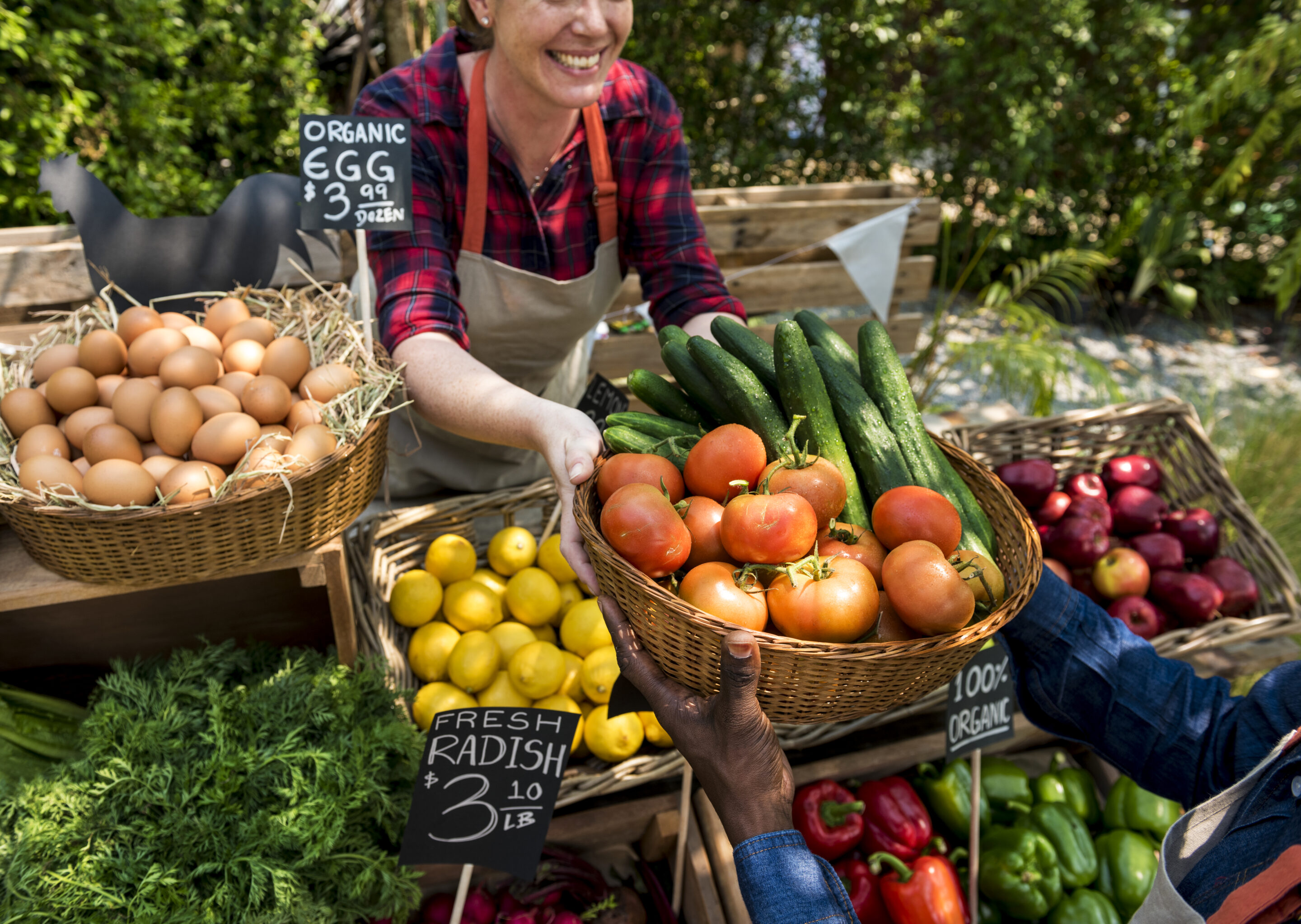
Vendor markets are vibrant, community-driven events where local creators, crafters, and small businesses come together to showcase their goods. Whether you’re planning a seasonal pop-up, a recurring art fair, or a one-day maker market, learning how to host a vendor market successfully takes more than picking a date and sending out invites.
What Is a Vendor Market (and Who Can Host One)?
A vendor market is a curated gathering of independent sellers (think artists, bakers, designers, and hobbyists) who set up individual booths or tables to sell their goods. These markets often feature handmade, locally produced, or small-batch products. They’re popular in community centers, school gyms, church parking lots, and even virtual spaces.
So, who can host a vendor market? Practically anyone:
- PTAs and school groups organizing fundraising fairs
- Nonprofits hosting seasonal events
- Neighborhood associations putting together community pop-ups
- Sports teams and clubs looking for unique fundraising options
- Makers and creatives wanting to showcase a network of talent
If you’re someone who regularly rallies people, collects payments, or brings ideas to life for your group, you’re more than qualified to host a vendor market.
Real-Life Inspiration: Buckley Hometown Market
The Buckley Hometown Market, a Cheddar Up Changemakers Award winner, started as a simple idea to support downtown businesses during slow Tuesdays. Over the course of two years, it evolved into a summer staple, complete with local nonprofits, live music, line dancing, and family-friendly fun.
It drew in crowds, boosted weekday sales, and became a source of resilience when a bridge closure cut off main traffic. It’s proof that a vendor market can do more than entertain, it can transform a community.
Ready to create a buzzing, can’t-miss event? Here’s everything you need to know about how to host a vendor market from start to finish.
Your Guide to How to Host a Vendor Market
The best Giving Tuesday campaigns share common traits: strong branding, clear calls to action, mobile-friendly donation pages, social sharing, storytelling, peer-to-peer fundraising, transparency, and consistent follow-up. Together, these form the backbone of a winning strategy

Start With a Solid Plan
First things first: define your event’s purpose. Is it to raise funds? Support small businesses? Create a community moment? Your “why” will help shape the rest of your decisions.
Once you’re clear on that, lock in these key details:
-
Date, time, and location (indoor vs. outdoor)
-
Theme or focus (e.g., handmade goods, food trucks, vintage finds)
-
Budget (venue, permits, promo materials, supplies)
-
Target vendor and shopper audience
Create a vendor market planning checklist to track tasks like permits, insurance, signage, and supplies. Having everything in one place makes it easier to stay on top of deadlines.

A Crystal-Clear Call to Action (CTA)
This step can make or break your event. The right mix of vendors keeps the vibe exciting and diverse.
Wondering how to find vendors for a market? Start with:
-
Social media call-outs
-
Local maker or artist groups
-
Word-of-mouth referrals
-
Past event vendor lists
Once they apply, review their offerings, social presence, and booth setup. A simple vendor application process will help you gather everything you need upfront.
What to include in a vendor application:
-
Business name and description
-
Product type(s)
-
Booth size needs
-
Social media or website links
-
Images of past setups or items
-
Special requests (electricity, wall space, etc.)

Handle Vendor Registration and Payments
Collecting vendor fees online? A must. It saves time, adds professionalism, and keeps your records tidy.
Use a vendor registration platform to manage sign-ups, collect vendor payments, and gather information in one smooth process. Online event management tools make it easy for you and seamless for vendors.
Look for platforms that:
-
Let you build custom registration forms
-
Accept various payment methods
-
Track who’s paid (and who hasn’t)
-
Offer receipts and confirmation emails
This step can be a game-changer — no more chasing down checks or digging through emails.

Bonus idea:
Want a head start? Use this Market Vendor Registration Template from Cheddar Up. It’s fully customizable and includes form fields for vendor info, booth selections, and payments. Everything you need to get up and running fast.

Promote Your Vendor Market Like Crazy
You can plan the perfect event, but if no one knows about it… yikes. Start by creating a Facebook event page and inviting your community. Ask your vendors to share graphics or flyers with their own audiences, and consider sending a press release to local blogs or news outlets. Tease the lineup by sharing vendor sneak peeks on social media.
And don’t underestimate the power of offline promotion. Post flyers or signage in areas such as coffee shops, community centers, schools, and libraries, where locals tend to gather. Include QR codes to direct people to your event page with one quick scan. The more touchpoints you create, the more likely you are to draw a crowd.

Storytelling That Inspires
The big day is here — time to make it smooth for everyone.
Vendor booth setup tips:
-
Assign spaces in advance (with a map)
-
Allow at least 1-2 hours before opening for setup
-
Have extra extension cords, tape, weights, or tools on hand
You’ll also want volunteers or staff on-site to:
-
Greet and direct vendors
-
Troubleshoot issues
-
Keep the flow moving
Plan for everything from parking and bathrooms to trash and weather contingencies.
Bonus idea:
Walk through the event space with your checklist a day or two before to catch any surprises.

Wrap It Up With Gratitude and Insights
After the event, send out thank-yous to vendors and volunteers. Ask for feedback while the experience is fresh—what worked, what didn’t, what to improve next time.
And, of course, track vendor sales (if possible), attendance, and any other key stats. These insights will make your next market even better.
The Smart Way to Collect and Organize Your Vendor Market
Here’s where Cheddar Up comes in.
- Build a branded registration page in minutes
- Customize sign-up forms and collect booth fees
- Share with a link or QR code
- Accept credit cards, Apple Pay, Google Pay, and eChecks
- Track who signed up and what they paid
- Pull automatic reports for easy bookkeeping
While you’ll be using Cheddar Up to manage your market, it also offers point-of-sale (POS) features that your vendors can use on event day. They can collect in-person payments instantly with unique event codes, no extra hardware or complicated setup required. It’s a helpful bonus to introduce your vendors to a simple, all-in-one tool they might want to use for their own sales, too.
You don’t need coding skills or spreadsheets. Just one simple tool to collect vendor info and payments, communicate event details, and keep everything running smoothly.
Whether you’re organizing your first community market or gearing up for your 10th seasonal pop-up, Cheddar Up can help take the stress out of the process so you can focus on building an amazing experience.
Frequently Asked Questions
How many vendors should I aim to have?
That depends on your space. A small indoor venue might hold 10-20 vendors comfortably, while outdoor fairs can host 50+.
Do I need insurance for a vendor market?
Often, yes. Check with your venue and local regulations. Some vendors may also need to carry their own liability insurance.
What if the weather turns bad for an outdoor event?
Have a backup plan: tents, indoor options, or rain dates. Communicate clearly with vendors about the contingency plan in advance.
Can I offer free booths to nonprofits or community groups?
Absolutely. It’s a great way to support the community and add diversity to your event.
How can I avoid paying processing fees on vendor payments?
Choose a platform like Cheddar Up that allows you to pass fees on to payers by default. That way, the total amount you collect stays with your event.

Before you go
If you’re looking for a smarter way to host a vendor market, Cheddar Up is your go-to tool. From effortless vendor registration to collecting payments online and tracking it all in one place, it takes the stress out of planning so you can focus on creating a successful market.
You may also like:

Unleash the Colors: How to Host a Color Run Fundraiser
A color run fundraiser combines the thrill of a fun run with bursts of bright color along the way. Participants start in white and make their way through a course filled with “color stations,” where volunteers toss powder or spray safe, water-based paint so everyone finishes covered head to toe in color.
But it’s more than just a fun event. A color run is a powerful way to raise money from multiple angles. You can collect registration fees, sell extras like t-shirts or color kits, bring in local sponsors, and tap into peer-to-peer fundraising to reach even more supporters.
Even better, it’s easy to organize everything in one place. With a simple collection page, you can manage sign-ups, track payments, and keep donations flowing without the usual hassle.
To get started, there are two great setup options: a standard fundraiser template for straightforward, all-in-one collecting, or a peer-to-peer template that lets participants create their own pages and boost your total even further.

7 Best Online Fundraising Platforms for Your Organization
The best fundraising websites are built to make your life easier. They help you set up a fundraising page, share it with your community, and collect money online without the need for endless spreadsheets or constant follow-up.
Here’s the truth: Not every platform fits every organization. Whether you’re a PTA treasurer raising money for a senior trip or you’re a growing nonprofit ready to level up your fundraising, the fundraising website you choose matters.
In this guide, we’ll walk through what online fundraising websites are, why organizers use them, and what to look for when choosing one. Let’s dive right in! An online fundraising website is a tool that helps you organize fundraising events, collect donations online, and track the success of your campaigns. Think of it as the go-to online place where people can learn about and give to your cause.
The best online fundraising platforms go beyond just payment processing. They allow you to communicate with your team and your donors, manage events, set up peer-to-peer fundraisers, and more.
From coordinating with volunteers to tracking donations, it’s no secret that having the right tool on your side can save time and reduce stress!

How to Host a Trunk or Treat Fundraiser
Planning a trunk or treat fundraiser for your PTA, church, or nonprofit? This step-by-step guide walks through the whole process, from setting admission and pricing trunk spots to collecting sign ups and running the event day. You can set it all up online, and this template gets you started in minutes. A trunk or treat fundraiser is a Halloween event where kids collect candy from decorated car trunks in a parking lot, while the host organization raises money through admission, trunk-spot fees, and concessions. Instead of going door to door, families walk from car to car in a designated parking area, collecting treats from creatively decorated trunks. Each participant, often called a trunker, decorates their vehicle with fun, spooky, or themed displays.
Schools, churches, PTAs, and nonprofits typically host trunk or treat fundraisers in mid- to late October. Because the whole event happens in one contained parking area rather than across a neighborhood, it’s a safe, weather-flexible way to bring the community together and support the organization.

Trunk or Treat Sign Up Sheet: Make It in 5 Minutes or Less
Create a haunting, all-in-one sign-up sheet for a trunk-or-treat event in just minutes – free! Includes registration and volunteer time slots. The most ghoulishly fun season is creeping up, which means it’s time to set up your trunk or treat sign up sheet. Building the whole thing online takes a few minutes (easily the least scary part of your season!). If you organize for a PTO, church, HOA, or scout troop, you get one place to collect attendee registrations, sign up trunk hosts and volunteers, and take payments for entry or food. This guide walks you through it with an online sign up sheet template, including how to set up registration and volunteer sign-ups on the same page. The fastest way to create a Trunk or Treat sign up sheet? Skip the blank page. Cheddar Up’s Trunk or Treat template gives you a ready-to-customize starting point with registration, donation items, waivers, and volunteer sign ups already built in. Just add your event details, make it your own, and share the link with your community.
Tags: