Cheer bows are one of the most popular and profitable fundraisers a cheer program can run. Families love them, they sell at every level from youth leagues to high school varsity, and the margins are solid. The catch? Managing custom bow orders without a system in place can turn a fun fundraiser into a spreadsheet nightmare fast.
This guide walks you through everything you need to set up a cheer bow fundraiser that runs smoothly from the first order to the last pickup, including a free template to get you started.
Table of Contents

What Is a Cheer Bow Fundraiser?
A cheer bow fundraiser is a spirit wear sale where a cheer program sells custom bows (typically personalized with team colors, a school name, or a logo) to families, fans, and supporters to raise money for the program. Orders are collected up front, bows are produced in bulk by a vendor, and proceeds go directly toward team expenses such as uniforms, competition fees, and travel costs.
Why Cheer Bow Fundraisers Work So Well
Bow sales hit a sweet spot that many cheer fundraisers miss: they’re practical, visible, and buyers feel good about the purchase.
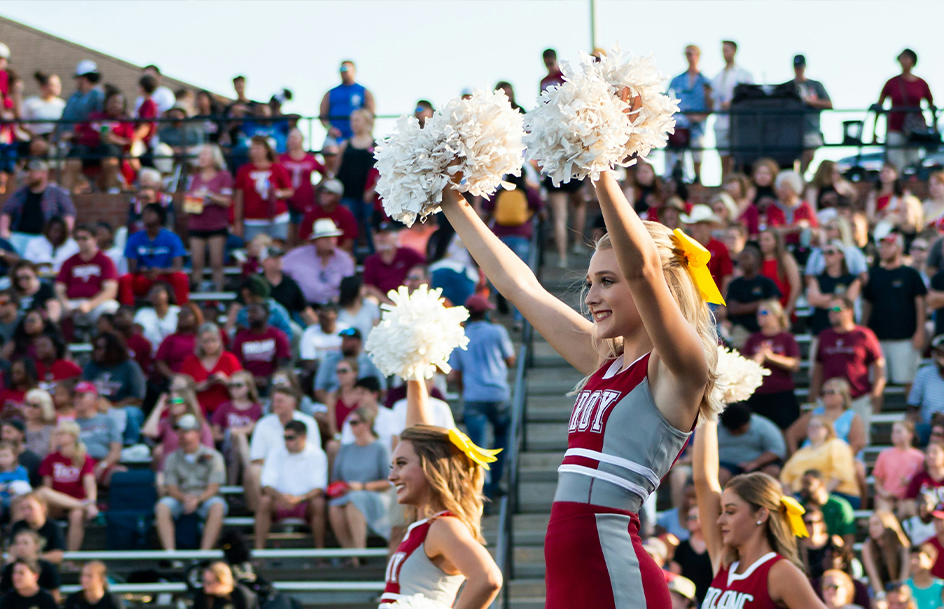
A custom cheer bow is something athletes wear at games and competitions. Parents buy them because they want their athlete to look coordinated and feel proud. Siblings and fans pick them up because they want to show support. That built-in demand means you’re not convincing people to buy something they don’t need.
Compared to other cheer fundraisers, bow sales require less day-of coordination than a clinic, carry higher margins than a bake sale, and don’t depend on weather like a car wash. The main lift is upfront: set up your collection page, choose your vendor, and promote the sale. After that, orders come in on their own.
Bow sales also have strong repeat potential. Many programs run them at the start of every season, and families who bought last year are often ready to buy again.

How much can a cheer bow fundraiser raise?
A program selling 100 bows at $12 each with a unit cost of $6 nets around $600. Sell 200 bows at $15 and your profit climbs to $1,800 or more. The math scales quickly, which is why bow sales are a staple for programs with an active parent base and strong community support.
What You Need Before You Launch
A cheer bow fundraiser has more moving parts than a bake sale, but it’s very manageable with the right setup. Before you open orders, nail down these basics.
Choose your bow supplier.
Work with a vendor who specializes in custom cheer bows and can produce consistent quality at a price that leaves you a healthy margin. Many vendors offer digital proofs before production, which is worth requesting.
Set your pricing.
A typical custom bow fundraiser sells bows for $10 to $15, depending on size and customization. Factor in your unit cost, any shipping from the vendor, and your fundraising goal.
Decide what you’re offering.
Will you offer one standard bow design, or multiple colors and styles? Fewer options mean fewer order errors. If your team uses specific colors, you may only need one or two choices.
Set a firm order deadline.
Give families two to three weeks to place orders, then close orders and submit them to your vendor. A hard deadline prevents stragglers and lets you plan your pickup logistics.
How to Set Up Your Cheer Bow Fundraiser Template
This is where many programs run into trouble. Orders come in via text, cash, Venmo, a paper form someone left on the bleachers, and a Google doc that’s missing half the entries. By pickup day, nobody knows who ordered what.
The solution is to collect everything in one place: the order details, the payment, and the buyer’s contact information.
Cheddar Up’s cheer bow fundraiser template gives you a pre-built collection page you can customize in minutes. Here’s what to set up:

Add your bow options as items.
List each bow style or color as a separate item with a photo, description, and price. If you’re offering multiple sizes (mini bows vs. full-size), add those as item variations.

Build in the details you need.
Add a short form to capture the buyer’s name, their athlete’s name, and any customization notes. If you’re doing personalized bows with names or numbers, this is where you collect that information.

Accept payment online.
Parents can pay by credit card, Apple Pay, or Google Pay right at checkout. No app required, no account to create. They click your link, pick their bow, fill out the form, and pay. Done.

Track everything automatically.
As orders come in, Cheddar Up compiles them into a downloadable report. That report becomes your vendor order sheet and your pickup checklist, without any manual data entry.

Share your link.
Copy your collection page URL and send it to families via group chat, email, or social media. You can also generate a QR code directly from Cheddar Up to put on a flyer.
Get the template and customize it with your team name, colors, and bow options:
Sharing Your Bow Sale to Maximize Orders
Getting the word out is half the battle. Once your collection page is live, share it everywhere your families already are.
Post the link in your team’s group chat or parent communication channel. Add it to your booster club’s social media pages. If your program uses booster club software like Cheddar Up, you can also generate a QR code directly from your collection page and add it to a flyer that goes home with athletes.
A few tips to drive more orders:
- Set a visible fundraising goal tracker, so families know what they’re contributing toward (new uniforms, travel fees, competition costs)and how much you need to reach your goal.
- Send a reminder message a few days before the deadline
- Have athletes share the link directly with family members who might want to order
Managing Pickup and Distribution
Once your vendor delivers the bows, organized distribution saves you from the chaos of a hundred families texting at once.
Your Cheddar Up order report tells you exactly who ordered what. Sort by item to pull together each bow type, or sort by buyer name to prep individual pickup bags. Label each bag with the buyer’s name and the athlete’s name if different.
Set a specific pickup window at practice, a game, or a cheer banquet so pickups happen in one place at one time. For families who can’t make it, you can use Cheddar Up’s messaging tools to coordinate an alternate pickup.
If you added shipping as an option, Cheddar Up handles that too. You can purchase and print shipping labels directly from the platform.
Make Your Bow Sale Part of a Bigger Fundraising Plan
A bow sale is a great standalone fundraiser, and it also fits naturally into a broader season strategy. If you’re still figuring out your full fundraising calendar, the cheer fundraising ideas guide covers 10 different options worth considering alongside a bow sale. Many programs pair it with a cheer clinic registration or use it to build momentum ahead of competition season.
Consider opening bow orders during the same window as you collect registration fees or spirit wear orders. Families are already in “buying mode,” and combining collections into one Cheddar Up page keeps everything organized for your team.
At the end of the season, bow sales are also a meaningful addition to cheer coach gift collections. A custom bow paired with a group gift contribution makes a memorable thank-you.
Frequently Asked Questions
How do I organize cheer bow orders without losing track of everything?
Use an online collection page that captures orders and payments together. Cheddar Up’s cheer bow fundraiser template lets families order and pay in one step, and automatically compiles your order report. No spreadsheet required.
What's a good profit margin for a cheer bow fundraiser?
Most programs aim for 40 to 60 percent margin. If your unit cost is $5.50 to $6.25 per bow at bulk quantities, selling at $10 to $15 keeps your margin healthy and the price point reasonable for families.
How long should a cheer bow fundraiser run?
Two to three weeks is the sweet spot. Long enough for word to spread and families to see the reminder, short enough to maintain urgency and submit a clean order to your vendor.
What information do I need to collect for a custom bow order?
At minimum: buyer name, athlete name, bow style or color selection, and quantity. If bows are personalized with names or numbers, collect that too. A simple form field in your collection page handles all of this.
Do parents need to create an account to order?
No. Cheddar Up doesn’t require payers to create an account or download an app. They click your link and check out directly on any device.

Before You Go
Cheer bow fundraisers are worth running. They’re popular, profitable, and something your athletes are proud to wear. The key is having a system that keeps orders clean from start to finish.
Your cheer bow fundraiser template is ready to customize. Set it up once, open it to families, and let the orders come in without the chaos.
Ready to get your bow sale off the ground?
You may also like:

End-of-year banquet planning templates
An end-of-season banquet is the chance to bring everyone together one more time, without the pressure of a practice, game, competition, or performance on the schedule. It’s where teams and groups recognize seniors, hand out awards, thank coaches and volunteers, share favorite moments, and celebrate everything they accomplished together. Sports teams, cheer squads, marching bands, and clubs hold them in the fall, winter, and spring, usually within a few weeks of the season’s end.
This guide covers how to plan an end-of-year or end-of-season banquet step by step, how to sell banquet tickets and collect RSVPs online, and banquet templates that you can customize for your sport or club.

Easy Elementary School Fundraising Ideas Kids Love and Parents Support
Elementary school kids are energetic, playful, and not into anything too complicated, so why should their fundraisers be? The best elementary school fundraising ideas feel like fun for the kids while staying simple for the volunteers who make them happen.
Below are 20 ideas built for elementary schools, grouped by how you want to run them, plus an easy, online way to collect payments.
Elementary school fundraising is different because younger children can be active participants, but they still need adults to take the lead on money, sales, and logistics. The best fundraisers play to both strengths: kids bring the creativity, excitement, and school spirit, while adults keep everything running smoothly.
Take payments, for example. A first grader isn’t going to manage a cash box, make change, or operate a point-of-sale system. Keeping payments with adults (and collecting online when possible) makes it easier to track every dollar, so cash doesn’t get lost in backpacks.
Door-to-door selling can be tricky as well. Young kids need adult supervision, and caregivers may not be comfortable sending them out to sell to strangers. Fundraisers that families can support from home or through a school event tend to make more sense.
So, what can elementary students do? All the fun stuff. They can color posters, run laps, cheer on classmates, perform, create something to sell, or proudly share the fundraiser with family and friends.

Fun Run Fundraiser: How to Plan One, Plus Ideas and Costs
Few fundraisers pull a community together like a fun run. If you are weighing a fun run fundraiser for your school or nonprofit, here is the full run-down (yes, pun intended): how to plan it, what it can raise, theme ideas, and how to collect every dollar you earn. A fun run is a walk or run, often themed, where participants raise money for a school or nonprofit by paying an entry fee or collecting pledges for each lap or mile they complete. The goal is participation over speed, so anyone can join regardless of age or ability.
In schools, a fun run is one of the most common PTA fundraising events because it needs little equipment and gets students, teachers, and families moving together. Nonprofits use the same format to raise funds and awareness for a cause.
You can organize a fun run in six steps. Give yourself at least six to eight weeks so you have time to line up volunteers, promote the event, and accept pledges.

Potluck sign up sheet template + planning tips
You offered to help pull together the potluck. Now you are the one texting a dozen people to find out who is bringing a main dish, and so far the table is shaping up to be all chips and desserts.
A potluck sign up sheet is the fix. Guests open one link and claim a slot, and the sheet sends the reminders so you are not following up all week. Below is a free online version you can grab in a minute, along with a quick setup walkthrough and category ideas for any kind of gathering. Start here. Our free potluck sign up template works for any gathering, from a backyard BBQ to an office lunch to a holiday feast, and you can have it live in about a minute.
It runs as an online potluck sign up sheet, so the whole list lives on one link. You share it once, guests open it on their phones, and everyone sees which dishes are already claimed and which slots are still open. There is no paper sheet to pass around and no file to email back and forth.
Tags: