
Need to Know
- Glow parties are a popular, low-cost way for schools and PTAs to engage families and build community.
- These indoor events require planning around lighting, decor, music, safety, and volunteers.
- Fundraising is easy to incorporate with ticket sales, glow gear, and donation options.
- Using one platform to collect payments, forms, and sign-ups keeps everything organized and stress-free.
Glow parties are a hit with students and a win for PTAs. They’re fun, low-cost, and bring the whole school community together. So get ready, room parents and PTA presidents, this guide covers everything you need to know to plan a glow party, from supplies to safety to fundraising ideas. You’ll also see how tools like Cheddar Up can make the whole process easier, from setup to cleanup.
What is a glow party?
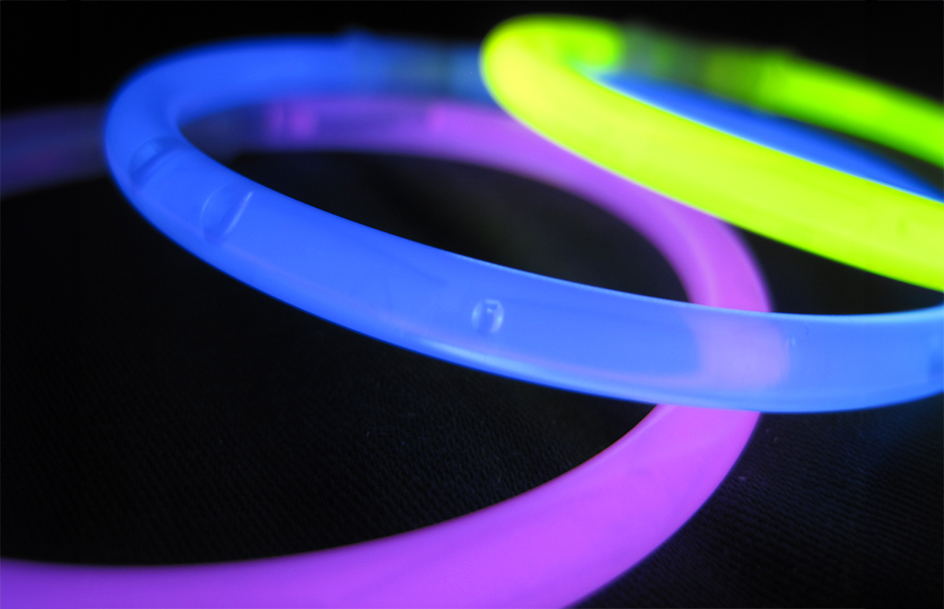
A glow party is a themed event where blacklights, neon colors, and glowing decor create a bright, exciting atmosphere. Everything from clothes to decorations glows under UV lights, creating an immersive and high-energy experience. With the proper lighting, even a basic gym or cafeteria turns into a dance floor or game zone.
They’re ideal for schools because they’re easy to customize, safe indoors, and incredibly popular with kids. No need for fancy decorations, just turn off the lights and turn up the fun.
Why they work for schools:
- Low-cost setup
- Weather-proof (held indoors)
- Flexible for all ages
- Great for family or student-only events

Pro-Tip:
Wondering which months are best for glow parties? They are perfect for winter months when outdoor events aren’t an option. No coats, no weather worries, just indoor fun.
How do schools plan a glow party safely?
Planning a glow party that’s safe and fun is totally doable, even for younger students. The key is to focus on supervision, age-appropriate materials, and a well-organized setup. With the right prep and volunteers in place, a glow party can be one of the easiest school events to manage.
Here’s how to keep safety front and center:
- Use battery-powered or LED lights instead of candles or strobes
- Tape down cords and use cord covers to prevent tripping
- Choose glow accessories that are non-toxic and age-appropriate
- Station adult volunteers at entry/exit points, snack areas, and game zones
- Limit attendance based on venue size to prevent overcrowding
For younger grades:
- Stick with glow sticks, face paint, and quiet zones for breaks
- Avoid fog machines or high-volume sound systems
- Keep event timing shorter (e.g., 60–90 minutes)
Create a sign-up form with defined roles (door check-in, snack table, cleanup crew) so helpers know exactly what to expect.
The Event Safety Alliance offers expert guidance and checklists for managing crowds, setting up venues, and keeping events safe, great for PTA teams planning larger gatherings.

Bottom Line:
Yes, you can throw a glow party that’s safe and age-appropriate, just prioritize supervision, clear walkways, and tested materials, and lean on your volunteers to help it all run smoothly.
What are some fun glow party activities to include?
A great glow party needs more than just blacklights, it needs energy, creativity, and a mix of activities to keep kids engaged. The best games are easy to run, don’t require much space, and are safe in low lighting.
Glow-friendly activity ideas:
- Dance Contest: Let kids show off their moves under the blacklights with fun music and small prizes.
- Neon Limbo or Freeze Dance: Use glow tape or LED rope for the limbo stick and pause the music for freeze challenges.
- Glow Ring Toss:span style=”font-weight: 400;”> Toss glow stick rings onto LED bottles, cones, or glow-in-the-dark pegs.
- DIY Craft Station: Provide glow cups, sunglasses, or headbands kids can decorate and wear during the event.
- Photo Booth: Set up a glowing backdrop with props for kids to pose with friends and take fun keepsake photos.
Mix and match based on your group’s age range, and keep things moving with upbeat music and regular announcements to guide the fun.
What supplies are needed for a school glow party?
Your supply list will depend on your venue and theme, but here’s a solid starting point:

Lighting & Decor:
- Blacklights or UV floodlights
- Neon paper signs and streamers
- Glow balloons or LED accents
Wearables:
- Glow necklaces and bracelets
- Neon face paint or temporary tattoos
- Light-up accessories for giveaways
Entertainment:
- Age-appropriate music playlist
- Glow games (ring toss, limbo, dance-offs)
- Photo backdrop with props
Can glow parties be used for fundraising?
Yes, glow parties are an excellent way for schools and PTAs to raise money while building community. They’re especially effective for PTAs looking to raise money while offering a fun experience for families.
Planning during the colder months? Glow parties are just one of many ways to raise money indoors. Check out more winter fundraising ideas here.
Smart fundraising ideas:
- Charge admission (offer early bird and at-the-door pricing)
- Sell glow gear like bracelets, necklaces, glasses, and glow sticks
- Bundle glow items into “Glow Kits” and presell them with tickets
- Ask local businesses to donate supplies or sponsor parts of the event
- Offer glow-in-the-dark snacks or drinks in branded cups
- Include optional donation options during checkout
PTA Tip:
Pick a platform (like Cheddar Up) that lets you sell both tickets and merchandise on the same page, add a donation option, track inventory in real time, and even add sponsor logos or custom thank-you messages.
How to Keep Glow Party Organized and Stress-Free
This part can get messy, unless you use the right tools. Collecting paper forms, cash, and permission slips can overwhelm busy PTA volunteers.
How Cheddar Up helps you manage it all
Cheddar Up is an online platform that helps schools and PTAs organize events, collect payments, and gather information, all in one place. It’s designed for group organizers, so everything from ticket sales to volunteer sign-ups can be managed without using separate tools.
For a glow party, this means you can create one easy-to-use page where parents can buy tickets, fill out permission forms, and sign up to help, all without needing to download an app or send anything by paper.
Here’s how it works for glow parties:
- Set up a collection page to sell tickets, offer glow merchandise like necklaces, glasses, and glow stick kits, and ask for donations
- Add forms to collect waivers and volunteer time slots
- Accept payments online using credit cards, Apple Pay, or Google Pay
- Track purchases and sign-ups in real time and download reports to stay organized
Mix and match based on your group’s age range, and keep things moving with upbeat music and regular announcements to guide the fun.
Want to see it in action?
Watch our short demo video or sign up for a free live learning session to get tips and see how other schools use Cheddar Up to simplify events like this. Whether you’re new to the platform or looking to make the most of it, we’ve got you covered.
Want a head start?
Use our ready-made Glow Party Template to get started quickly, just customize it with your event details, ticket options, glow gear, and more.

Frequently Asked Questions
What’s the best grade level for a glow party?
Glow parties work for any grade! Just tailor music and activities to the age group.
Is a glow party too much work for a school to plan?
Not at all, especially with the right tools. With just a few volunteers and some prep, a glow party can be easier than a carnival or field day.
Can we presell glow merchandise along with tickets?
Yes, just be sure to use a platform that supports both ticketing and item sales on the same page. Bonus points if it tracks inventory automatically.
How many volunteers do we really need for a glow party?
It depends on the size of the crowd, but aim for 1 volunteer per 10–15 students. You’ll want people at check-in, snack tables, activity stations, and general supervision.
Is it weird to ask parents to donate glow gear or snacks?
Nope! Many families are happy to contribute, especially if you offer an easy sign-up form and give suggestions like “24-pack glow bracelets” or “pre-packaged snacks.”
Before you go
A glow party is a surefire way to build community, create memories, and raise funds. With Cheddar Up on your side, planning it all is faster, simpler, and more fun.
You may also like:

How to Organize a Group Gift the Easy Way: Ultimate Guide
Teacher gifts, coaches gifts, holiday gifts, thank-you gifts, end-of-year gifts, shower gifts, and so on. The group gift list is endless! If you’re wondering how to organize a group gift without getting a headache, you’ve made it to the right place.
If you’ve ever tried to plan a group gift, you know the real challenge is wrangling people. It’s the awkward Venmo requests, the “did you pay yet?” follow-ups, and the mystery of what happened to that extra $14.
The good news? A little structure up front makes a world of difference when you’re ready to start planning for that special group gift.
Below you’ll find a step-by-step guide that will help you coordinate a group gift from start to finish, including group gift giving etiquette, copy-paste scripts, a deadline strategy, and a plan for leftover funds.A group gift is a single present that is purchased by a group of friends, family, and other contributors.
For instance, a group of friends might decide to come together to purchase an expensive stroller from their bestie’s baby shower registry. Normally, one friend wouldn’t be able to afford the gift on their own. But if 3 friends chip in together, it makes the present achievable.

Unleash the Colors: How to Host a Color Run Fundraiser
A color run fundraiser combines the thrill of a fun run with bursts of bright color along the way. Participants start in white and make their way through a course filled with “color stations,” where volunteers toss powder or spray safe, water-based paint so everyone finishes covered head to toe in color.
But it’s more than just a fun event. A color run is a powerful way to raise money from multiple angles. You can collect registration fees, sell extras like t-shirts or color kits, bring in local sponsors, and tap into peer-to-peer fundraising to reach even more supporters.
Even better, it’s easy to organize everything in one place. With a simple collection page, you can manage sign-ups, track payments, and keep donations flowing without the usual hassle.
To get started, there are two great setup options: a standard fundraiser template for straightforward, all-in-one collecting, or a peer-to-peer template that lets participants create their own pages and boost your total even further.

7 Best Online Fundraising Platforms for Your Organization
The best fundraising websites are built to make your life easier. They help you set up a fundraising page, share it with your community, and collect money online without the need for endless spreadsheets or constant follow-up.
Here’s the truth: Not every platform fits every organization. Whether you’re a PTA treasurer raising money for a senior trip or you’re a growing nonprofit ready to level up your fundraising, the fundraising website you choose matters.
In this guide, we’ll walk through what online fundraising websites are, why organizers use them, and what to look for when choosing one. Let’s dive right in! An online fundraising website is a tool that helps you organize fundraising events, collect donations online, and track the success of your campaigns. Think of it as the go-to online place where people can learn about and give to your cause.
The best online fundraising platforms go beyond just payment processing. They allow you to communicate with your team and your donors, manage events, set up peer-to-peer fundraisers, and more.
From coordinating with volunteers to tracking donations, it’s no secret that having the right tool on your side can save time and reduce stress!

How to Host a Trunk or Treat Fundraiser
Planning a trunk or treat fundraiser for your PTA, church, or nonprofit? This step-by-step guide walks through the whole process, from setting admission and pricing trunk spots to collecting sign ups and running the event day. You can set it all up online, and this template gets you started in minutes. A trunk or treat fundraiser is a Halloween event where kids collect candy from decorated car trunks in a parking lot, while the host organization raises money through admission, trunk-spot fees, and concessions. Instead of going door to door, families walk from car to car in a designated parking area, collecting treats from creatively decorated trunks. Each participant, often called a trunker, decorates their vehicle with fun, spooky, or themed displays.
Schools, churches, PTAs, and nonprofits typically host trunk or treat fundraisers in mid- to late October. Because the whole event happens in one contained parking area rather than across a neighborhood, it’s a safe, weather-flexible way to bring the community together and support the organization.
Tags: