Not all donation forms serve the same purpose. A form used to collect online donations is different from one used by nonprofits to apply for funding or track in kind contributions. Understanding these differences is an integral component to building an effective nonprofit fundraising strategy.
This guide covers the most common types of donation forms, when to use each, and how to create them efficiently.

What Are Donation Forms?
They are used in different ways depending on the situation:
- Donors use donation forms to give money
- Nonprofits use forms to apply for funding or sponsorships
- Organizations use forms to collect goods, services, or pledges
While the format may vary, the goal is the same: to create a consistent, organized way to manage fundraising interactions.
Types of Donation Forms for Nonprofits
Standard Donation Form
A standard online donation form is used to collect monetary contributions from supporters.
This is typically the primary form on a nonprofit’s website or campaign page. It allows donors to select an amount, enter their information, and complete a payment in one flow.
When designed well, it is simple, mobile-friendly, and requires minimal effort to complete, making it effective for everyday fundraising.
Explore this nonprofit donation form template to see it in action.

Donation Request Form
These forms standardize how requests are submitted, making it easier for organizations to review and evaluate them consistently. Instead of managing emails or attachments, companies collect structured information in one place.
Common fields include organization details, nonprofit status, the purpose of the request, and how the donation will be used. Many companies now use online forms, like this donation request form template, instead of static documents to simplify submission and tracking.
In Kind Donation Form
An in kind donation form is used to collect non-monetary contributions such as goods or services.
This type of form is commonly used for auctions, events, or school supply drives, where donors contribute items instead of money. It helps capture important details like item descriptions, estimated value, and donor information, ensuring contributions are properly tracked, acknowledged, and, when needed, documented for reporting purposes.
Get a closer look at how it can be structured with this in kind donation form template.


Are in kind donations tax deductible?
Including detailed item descriptions in an in-kind donation form helps ensure accurate acknowledgment and record keeping.
Event Donation Form
Event donation forms are commonly used for galas, school fundraisers, golf tournaments, and community events where attendees may need to register, purchase tickets, or contribute at different levels. For example, a gala form might include ticket tiers, table sponsorships, and an optional donation, while a school fundraiser might combine event registration with add-on contributions.
By consolidating these elements into one place, event donation forms make it easier to manage registrations, track contributions, and reduce manual coordination.

Recurring Donation Form
A recurring donation form allows donors to set up automatic, ongoing contributions.
Instead of making a one-time donation, supporters can choose to give on a monthly or scheduled basis. This helps nonprofits build more predictable revenue over time and creates a more stable foundation for planning and growth.
Recurring giving programs are especially effective for organizations looking to increase donor lifetime value and reduce the need for constant new donor acquisition. With the right set up, like in this recurring donation form template, they can turn one-time supporters into long-term contributors.

Pledge Donation Form
A pledge donation form is used to capture a commitment to donate at a future date.
It allows donors to promise a contribution now and fulfill it later, often based on an event or outcome. This is commonly used for campaigns, large donations, or performance-based fundraisers.
For example, in athon fundraisers, donors often pledge an amount based on performance, like a dollar amount per lap or per activity completed, and fulfill the donation after the event. This walkathon template helps illustrate how pledge-based fundraising works in practice.

Pledge vs. Donate. What’s the difference?
Pledges are often used for large campaigns, events, or peer-to-peer fundraising efforts, while standard donations are processed at the time of giving. Both play important roles in nonprofit fundraising strategies.
When to Use Each Donation Form
The Easiest Way to Create Donation Forms
Cheddar Up allows organizations to create customizable online donation pages that collect both payments and information in a single flow. Donors can complete transactions without creating an account, reducing friction and improving completion rates.
With Cheddar Up, you can:
- Create donation forms for payments, requests, pledges, and in kind contributions
- Accept credit cards, eChecks, and digital wallet payments
- Enable recurring donations for ongoing fundraising
- Track all donations and form responses automatically in one place
- Share forms via link, email, or QR code
This allows nonprofits to streamline fundraising, reduce manual work, and provide a frictionless donor experience.
Frequently Asked Questions
What is a donation form?
What is an online donation form?
How do I create a donation form online?
What should a donation form include?
What is the difference between a donation form and a donation request form?
How do nonprofits ask companies for donations?


How to Run a PTA Membership Drive (2026 Guide + Letter Template)
A strong PTA membership drive sets up everything else your PTA does. Membership dues support programs, events, and initiatives throughout the school year, while a growing membership base helps build engagement across your school community.
This guide walks you through how to run a PTA membership drive from start to finish, including when to launch, how to increase sign ups, and a PTA membership drive letter template you can customize and send to families.
A PTA membership drive is the annual campaign a school’s parent-teacher association runs to recruit members and collect dues for the upcoming school year. The goal is simple: make it easy for families to join the PTA and support the programs, events, and initiatives that benefit your school community.

PTA Fundraising Letter Templates: Kickoff, Reminder, and Thank-You
Your fundraiser is set. The goal is in place. Now you need families to show up for the campaign. A well-written PTA fundraising letter is what makes that happen.
The templates below are ready to customize. Swap in your school name, your goal, and your dates. Then send.
If you’re still deciding on your fundraiser format, the PTA fundraising ideas guide covers your options from top to bottom. But if you’re already in motion, start here.
The best letters are short, specific, and personal. Families don’t need a history of your PTA. They need to know what you’re raising money for, how much you’re asking for, and where to go to give.

7 Different Types of Fundraisers (With 50+ Proven Examples)
If you’re tired of defaulting to the same bake sale year after year, then it might be time to explore the many types of fundraisers that will help you reach your fundraising goals.
One fundraiser format can’t do everything. Some raise fast cash, others build long-term donor relationships, and a few quietly generate revenue with almost no volunteer hours.
When you understand the different types of fundraisers available to your organization, it opens up dozens of possibilities you’ve probably never considered!
This guide breaks down seven main fundraiser types and pairs each one with proven examples you can adapt to your group’s size, budget, and goals. Ready to get started?Truth bomb: relying on one single type of fundraiser can limit your reach and exhaust your donor base over time.
Whether you’re a group leader in charge of raising funds for your community or a nonprofit organizer building a fundraising plan, it’s no secret that a mix of fundraising strategies can help you build a more resilient and sustainable financial foundation for your organization’s long-term goals.
How Dairyland Donkey Ball Grows Small-Town Fundraisers
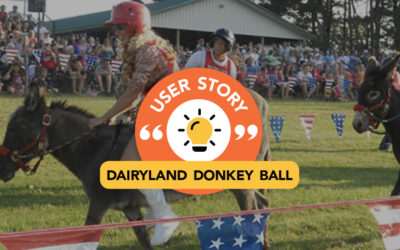
For more than 21 years, Dairyland Donkey Ball has delivered high-energy fundraising events to rural communities across 26 states. From donkey basketball during the school year to summer donkey baseball and celebrity races, their events bring entire towns together.
Most of the communities they serve have fewer than 1,500 residents. Some have fewer than 200. When 10 donkeys arrive, it is not just another event. It is THE event.
Each fundraiser operates as a partnership. A local school group, FFA chapter, or civic organization pays a booking fee and promotes the show. Ticket revenue is split, so strong turnout benefits everyone involved.
With dozens of events happening across multiple states, consistency matters. Every town runs a little differently. Every volunteer team has different experience levels with online tools. And when your business operates on the road, you need a system that works the same way everywhere.
When CJ first discovered Cheddar Up, he saw how smoothly the platform handled dues and registrations. That experience made the decision easier when it came time to modernize ticket sales for Dairyland Donkey Ball.