If you’re figuring out how to set up recurring donations, you’re already on the right track toward building more consistent, reliable income for your organization. Recurring giving makes it easy for supporters to contribute on a regular schedule, turning one-time donations into long-term support. With the right setup, you can create a simple, seamless experience that benefits both you and your community.
What are Recurring Donations?
Recurring donations and payments let an organizer collect payments over a period of time based on a set schedule or frequency.
They’re a powerful way to create steady, predictable income while making things easier for everyone involved. Instead of repeated reminders and manual tracking, payments happen seamlessly in the background.
For donors and members, this approach adds flexibility and convenience. For organizers, it means more consistency and less day-to-day admin.

Recurring Donations vs. Recurring Payments
While often used interchangeably, there’s a small difference. Recurring donations are typically used for nonprofit giving. Recurring payments apply more broadly to memberships, HOA dues, tuition, and fees.
Why Recurring Giving Works So Well
Recurring giving works because it feels manageable, builds habits over time, and creates a stronger connection to your mission. That’s why a well-designed monthly giving program for nonprofits can be so powerful; it turns small, consistent contributions into steady revenue and lasting supporter relationships.
It also pairs naturally with membership models. When donations shift into a recurring structure, they start to feel more like ongoing participation than a one-time transaction. That opens the door to offering tiers, perks, or exclusive access, turning supporters into active members of your community.
And it’s not just for nonprofits. A recurring approach is a key part of a strong membership pricing strategy and works just as well for membership dues, HOA fees, and other ongoing payments where consistency matters. Instead of collecting over and over, you create a smooth, reliable system that runs in the background while you focus on delivering value.
Take a look at the three templates below illustrating different use cases and payment schedules.


Common Recurring Payment Schedules
Recurring payments can be tailored to fit just about any need. Whether you’re collecting donations, dues, or fees, the key is choosing a schedule that feels natural for your group.
As the table shows, common payment schedules include:
Monthly:
Great for memberships or tuition, such as payments every month for a set number of installments
Quarterly:
Often used for HOA fees or seasonal programs, billed every three months
Annually:
A simple option for yearly donations or membership renewals
Installments:
Ideal for larger costs like trips or events, split into a few scheduled payments
The flexibility here is what makes recurring payments so useful. You can set a clear start and end date or keep payments ongoing for continuous support.
How to Set Up Recurring Donations
Getting started is simpler than most people expect, especially when you’re using a tool built for groups and organizations.
With Cheddar Up, you can set up recurring donations and payments in just a few steps. Everything lives in one place, from customizable collection pages to automatic payment tracking, so you’re not piecing together multiple systems.
Here’s a straightforward way to do it:

Create a Fundraiser Collection
Start by setting up a collection page designed specifically for giving.
With Cheddar Up, you can customize your page with branding, images, and messaging, and clearly explain the impact of each contribution. A focused page helps people understand exactly what they’re signing up for.
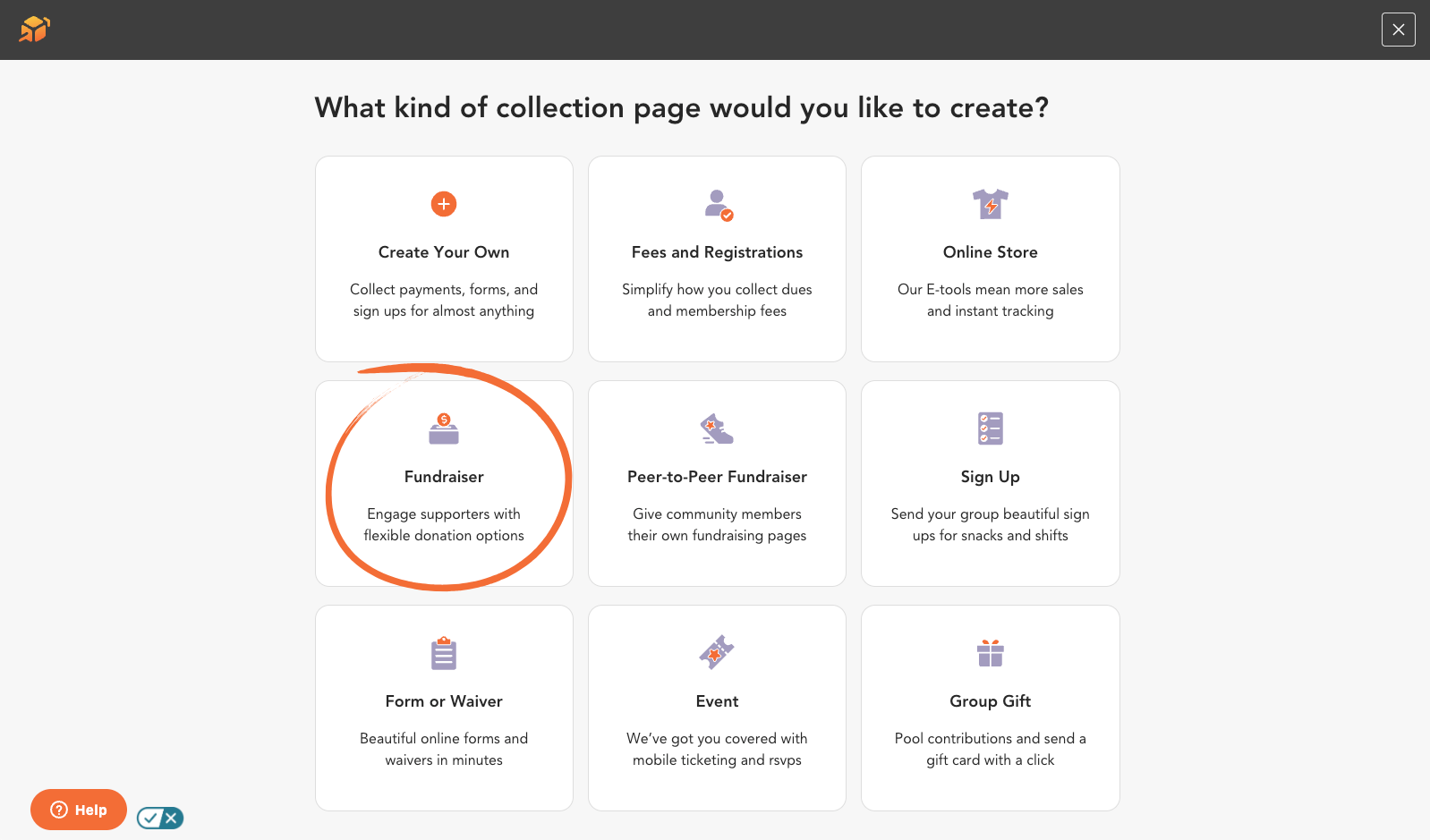

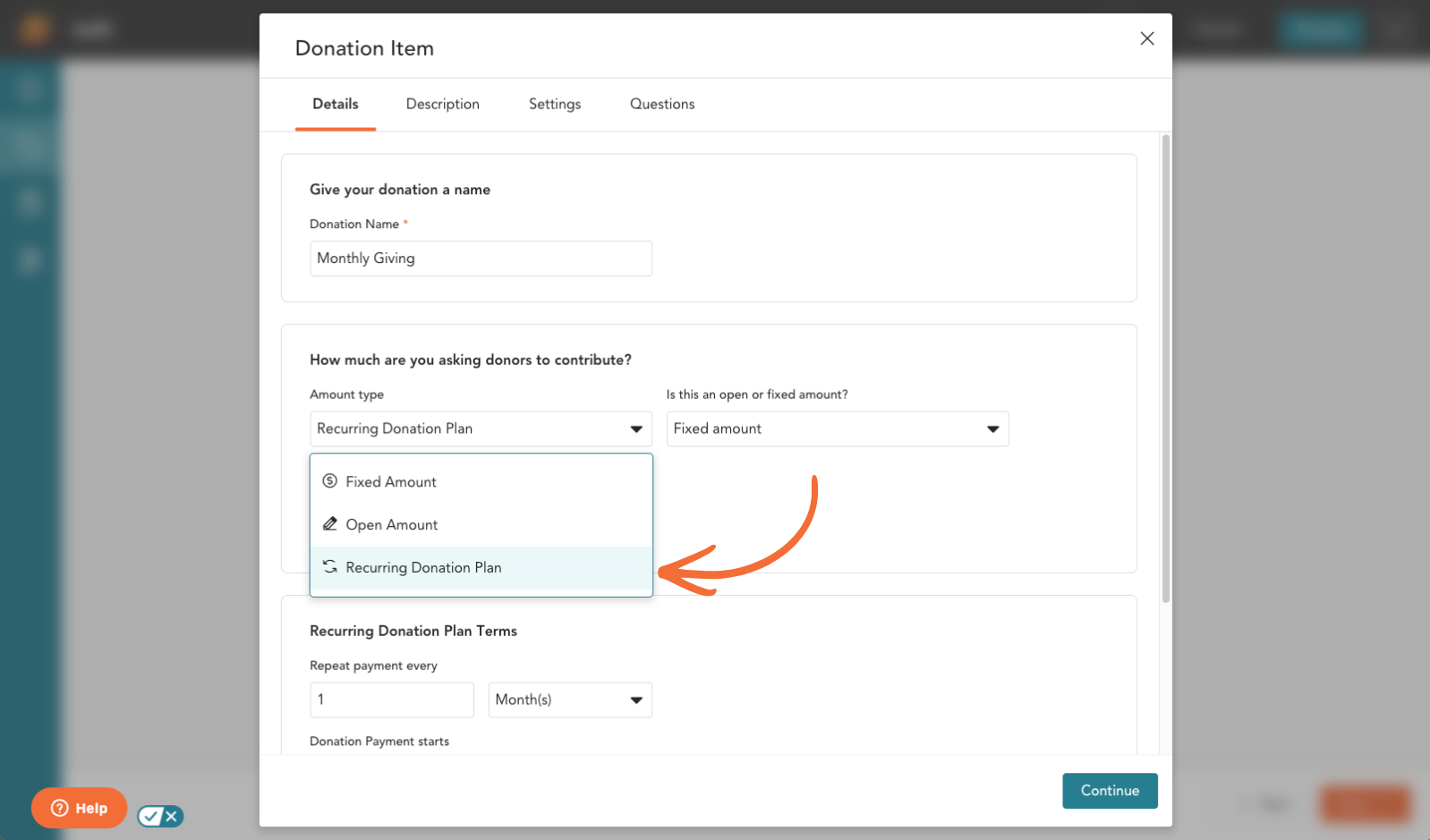
Select Recurring Donations
You can customize the experience by:
- Setting a fixed amount or allowing donors to choose their own
- Choosing a schedule, like weekly or monthly
- Deciding whether payments run for a set period or continue ongoing
It’s simple, flexible, and easy for people to commit.

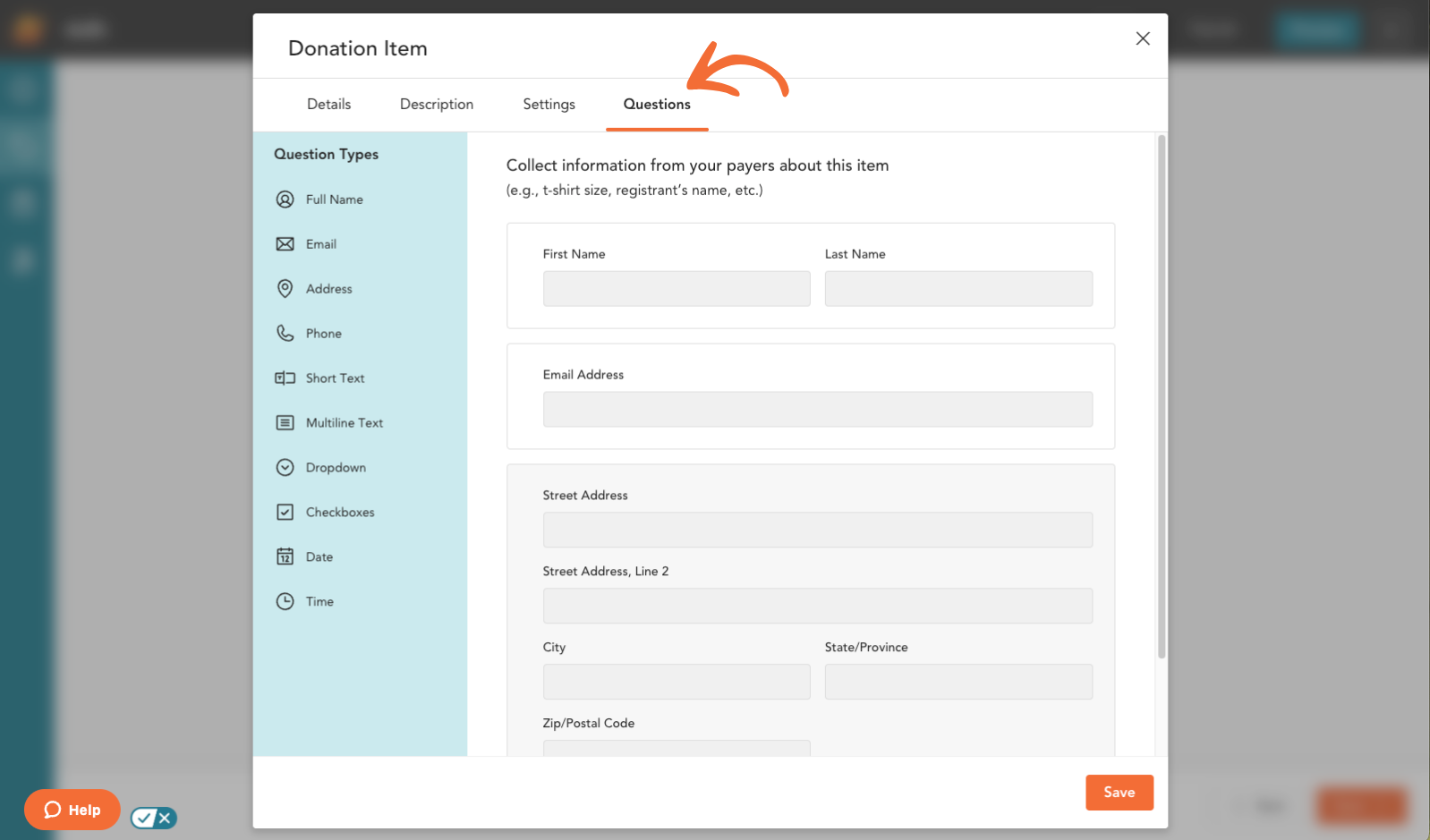
Collect Donor Information
Recurring donations aren’t just about payments, they’re about relationships.
Use built-in fields to collect contact info, preferences, and optional notes. Everything stays organized automatically, so you’re not toggling between tools or tracking things manually.

Offer Flexible Payment Options
Cheddar Up supports:
- Credit cards
- eCheck
- Digital wallets like Apple Pay and Google Pay
This kind of flexibility is especially important for nonprofit payment processing, where reducing friction can directly impact donation volume and retention.
Can You Use Venmo for Recurring Payments?
Venmo is popular for quick, one-time payments, but it is not ideal for handling recurring payments or subscriptions. There is no built-in way to automate billing, track ongoing contributions, or manage schedules.
If you’re considering Venmo, it’s important to understand the limitations before relying on it for memberships, dues, or donations. Learn more about why Venmo isn’t great for recurring payments.
Best Practices for Recurring Donations and Payments
One of the most effective ways to do this is by setting expectations early. Let supporters know what they will receive, whether that is updates, perks, or simply the impact of their contributions. This is also a great place to introduce things like a donation acknowledgement letter, which reinforces appreciation and builds trust from the start.
It also helps to periodically refresh your messaging. Even long-time supporters benefit from reminders about why their contributions matter, especially when those messages are tied to real outcomes or milestones.
Another often overlooked detail is timing. Aligning payment schedules with how your group operates, like school calendars, seasonal programs, or membership renewal cycles, can make participation feel more natural and easier to manage.
Finally, keep an eye on your data. Tracking participation and payment trends can help you spot drop-offs, identify your most popular tiers, and make small adjustments that improve retention over time.
Frequently Asked Questions
How can I start a monthly giving program for my charity?
Start by creating a clear donation page with suggested monthly giving amounts and a simple explanation of impact. Make it easy for supporters to sign up for recurring contributions, and communicate regularly to show how their ongoing support is making a difference.
How can I accept recurring donations online?
The easiest way to accept recurring donations online is by using a specialized fundraising platform like Cheddar Up. With Cheddar Up, you can create a customizable donation page, enable recurring payment options, and automatically track contributions, all in one place.
What are the benefits of recurring donations for nonprofits?
Recurring donations help nonprofits create steady, predictable revenue while reducing the need for constant fundraising campaigns. They also increase donor lifetime value and build stronger, long-term relationships with supporters by encouraging ongoing engagement.
What is the best frequency for recurring donations?
Monthly is the most popular option because it feels manageable and fits naturally into most people’s budgets. However, the best frequency depends on your audience and goals, with some organizations also offering quarterly or annual options for added flexibility.
What is the difference between recurring donations and recurring payments?
Recurring donations are typically used for nonprofit giving, where supporters contribute on an ongoing basis to support a cause. Recurring payments is a broader term that includes donations but also applies to things like memberships, dues, tuition, and subscription-style fees. The setup is similar, but the purpose and use cases can vary depending on the organization.

Before You Go
If you’re looking for a simple way to learn how to set up recurring donations, using a platform like Cheddar Up can make the process fast and stress-free. To see how it works, watch a quick 3-minute demo or sign up for a live learning session to get started with confidence.
You may also like:

How to Organize a Group Gift the Easy Way: Ultimate Guide
Teacher gifts, coaches gifts, holiday gifts, thank-you gifts, end-of-year gifts, shower gifts, and so on. The group gift list is endless! If you’re wondering how to organize a group gift without getting a headache, you’ve made it to the right place.
If you’ve ever tried to plan a group gift, you know the real challenge is wrangling people. It’s the awkward Venmo requests, the “did you pay yet?” follow-ups, and the mystery of what happened to that extra $14.
The good news? A little structure up front makes a world of difference when you’re ready to start planning for that special group gift.
Below you’ll find a step-by-step guide that will help you coordinate a group gift from start to finish, including group gift giving etiquette, copy-paste scripts, a deadline strategy, and a plan for leftover funds.A group gift is a single present that is purchased by a group of friends, family, and other contributors.
For instance, a group of friends might decide to come together to purchase an expensive stroller from their bestie’s baby shower registry. Normally, one friend wouldn’t be able to afford the gift on their own. But if 3 friends chip in together, it makes the present achievable.

Unleash the Colors: How to Host a Color Run Fundraiser
A color run fundraiser combines the thrill of a fun run with bursts of bright color along the way. Participants start in white and make their way through a course filled with “color stations,” where volunteers toss powder or spray safe, water-based paint so everyone finishes covered head to toe in color.
But it’s more than just a fun event. A color run is a powerful way to raise money from multiple angles. You can collect registration fees, sell extras like t-shirts or color kits, bring in local sponsors, and tap into peer-to-peer fundraising to reach even more supporters.
Even better, it’s easy to organize everything in one place. With a simple collection page, you can manage sign-ups, track payments, and keep donations flowing without the usual hassle.
To get started, there are two great setup options: a standard fundraiser template for straightforward, all-in-one collecting, or a peer-to-peer template that lets participants create their own pages and boost your total even further.

7 Best Online Fundraising Platforms for Your Organization
The best fundraising websites are built to make your life easier. They help you set up a fundraising page, share it with your community, and collect money online without the need for endless spreadsheets or constant follow-up.
Here’s the truth: Not every platform fits every organization. Whether you’re a PTA treasurer raising money for a senior trip or you’re a growing nonprofit ready to level up your fundraising, the fundraising website you choose matters.
In this guide, we’ll walk through what online fundraising websites are, why organizers use them, and what to look for when choosing one. Let’s dive right in! An online fundraising website is a tool that helps you organize fundraising events, collect donations online, and track the success of your campaigns. Think of it as the go-to online place where people can learn about and give to your cause.
The best online fundraising platforms go beyond just payment processing. They allow you to communicate with your team and your donors, manage events, set up peer-to-peer fundraisers, and more.
From coordinating with volunteers to tracking donations, it’s no secret that having the right tool on your side can save time and reduce stress!

How to Host a Trunk or Treat Fundraiser
Planning a trunk or treat fundraiser for your PTA, church, or nonprofit? This step-by-step guide walks through the whole process, from setting admission and pricing trunk spots to collecting sign ups and running the event day. You can set it all up online, and this template gets you started in minutes. A trunk or treat fundraiser is a Halloween event where kids collect candy from decorated car trunks in a parking lot, while the host organization raises money through admission, trunk-spot fees, and concessions. Instead of going door to door, families walk from car to car in a designated parking area, collecting treats from creatively decorated trunks. Each participant, often called a trunker, decorates their vehicle with fun, spooky, or themed displays.
Schools, churches, PTAs, and nonprofits typically host trunk or treat fundraisers in mid- to late October. Because the whole event happens in one contained parking area rather than across a neighborhood, it’s a safe, weather-flexible way to bring the community together and support the organization.